In today’s hypercompetitive market, products and prices are no longer enough to differentiate a brand. Consumers are seeking meaningful experiences, emotional connections and moments worth sharing. This is where experiential marketing becomes a powerful strategic tool.
Experiential marketing goes beyond traditional promotion. It transforms every customer touchpoint into a memorable interaction, strengthening brand perception, driving organic engagement and building long-term loyalty.
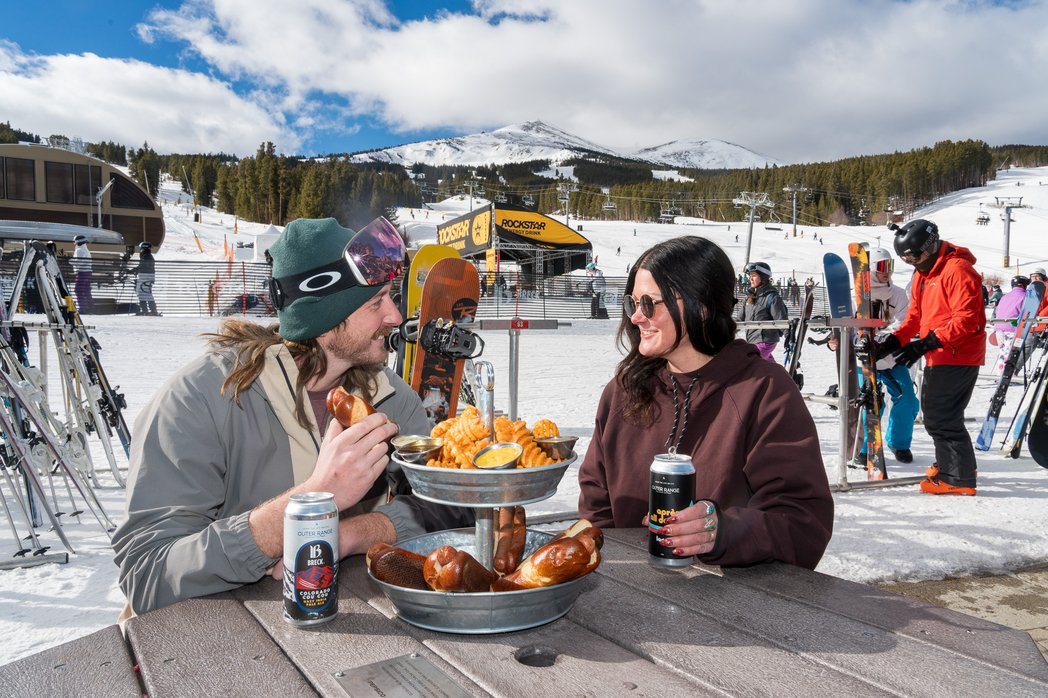
A clear and compelling example comes from the tourism and hospitality industry. Vail Resorts has unveiled a new era of mountain dining in Colorado, blending bold flavors, local culture and highly shareable experiences across Breckenridge, Vail Mountain, Beaver Creek and Keystone.
What Is Experiential Marketing?
Experiential marketing is a strategy that places the consumer at the center of the brand narrative. Instead of simply selling a product, brands design immersive, sensory and emotional experiences that customers actively participate in.
In practice, experiential marketing includes:
-
Immersive and visually engaging environments
-
Products designed for interaction and social sharing
-
Emotional storytelling and cultural relevance
-
Experiences that encourage connection and community
When executed well, experiential marketing turns customers into brand advocates.
Vail Resorts: Experience as a Business Strategy
Vail Resorts recently announced a series of new food and beverage concepts designed to elevate mountain dining beyond convenience. The focus is clear: dining is no longer just about refueling—it is part of the overall guest journey.
According to Marissa Frutchey, Senior Director of Food & Beverage at Breckenridge Ski Resort, mountain dining should reflect the energy, culture and personality of each destination, becoming a memorable part of every ski day.
This approach positions food and beverage as a core experiential pillar, not an ancillary service.
Case Study 1: Hot Dog Tower and the “Phone Eats First” Effect
The Hot Dog Tower, introduced at Ski Hill Grill in Breckenridge, is a textbook example of experiential marketing in action.
More than a menu item, it was designed to:
-
Be visually striking
-
Encourage photos and videos
-
Drive organic social media sharing
-
Create a playful, communal moment
The concept taps directly into the “phone eats first” behavior, transforming food into content and customers into storytellers.
Key insight: Products designed for social sharing amplify brand visibility without proportional increases in advertising spend.
Case Study 2: Martini Lunch for Two – Selling Time and Connection
At Vail Mountain’s The 10th restaurant, the Martini Lunch for Two revives the lost art of the long lunch.
This experience invites guests to:
-
Slow down
-
Share a meal without urgency
-
Prioritize connection and conversation
In an always-on digital world, offering time, presence and social interaction becomes a luxury.
Key insight: Experiences that foster emotional connection increase dwell time, perceived value and brand affinity.
Case Study 3: The Alpine Table – Exclusivity and Storytelling
At Beaver Creek Resort, The Alpine Table represents experiential marketing at a premium level.
The event features:
-
Chef-led collaborations
-
A multi-course tasting menu
-
Local sourcing and culinary storytelling
-
A limited, exclusive format
With James Beard Award-winning Chef Matt Vawter collaborating with Beaver Creek’s culinary team, the experience blends craftsmanship, terroir and narrative into a single unforgettable evening.
Key insight: Exclusivity, scarcity and storytelling elevate brand positioning and create aspirational value.
Leveraging Local Culture: Outer Range Brewing Co. Partnership
Vail Resorts also partnered with Outer Range Brewing Co., a Colorado-based craft brewery deeply rooted in mountain culture.
The collaboration includes:
-
Custom beer cans with resort-specific designs
-
Hand-illustrated, patch-style labels
-
A strong sense of place and authenticity
Each beer becomes more than a beverage—it becomes a souvenir of the experience.
Key insight: Integrating local culture strengthens authenticity and deepens emotional connections with guests.
Why Experiential Marketing Works
Experiential marketing delivers measurable and long-term benefits:
-
Creates emotional memory, not just transactions
-
Drives organic word-of-mouth and social sharing
-
Increases customer loyalty and repeat visits
-
Differentiates brands in saturated markets
-
Builds long-term brand equity
In the case of Vail Resorts, experiential dining enhances guest satisfaction while reinforcing the brand’s premium positioning.
What Other Industries Can Learn from This Strategy
Experiential marketing is not limited to tourism or hospitality. Businesses across sectors can apply the same principles:
-
Design experiences, not just products
-
Create moments worth sharing
-
Use storytelling and environment strategically
-
Build emotional connections, not just awareness
Experiential Marketing Is No Longer Optional
In a world where consumers can compare options instantly, brands that fail to create meaningful experiences risk becoming invisible.
The Vail Resorts case demonstrates that when experience becomes the core strategy, the result is not just higher engagement—but stronger brand loyalty and long-term value.